Introduction
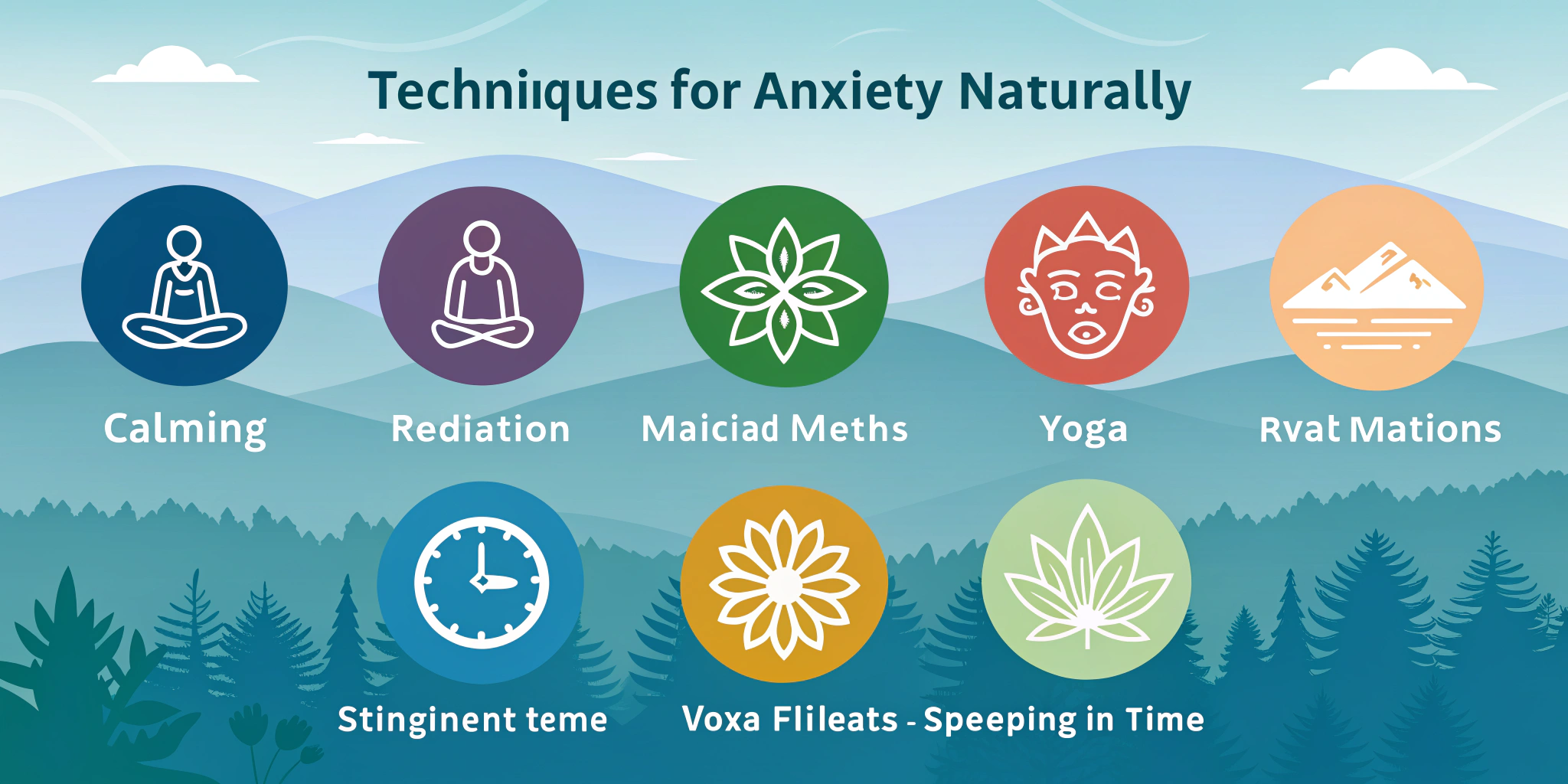
Anxiety is one of the most common mental health challenges in 2025, affecting people across all ages and professions. While therapy and medications are effective, natural techniques can complement these approaches and provide daily relief. This guide explores evidence-based methods to reduce anxiety naturally, including breathing exercises, lifestyle adjustments, mindfulness practices, and cognitive strategies. Implementing these techniques consistently can improve emotional resilience, enhance focus, and support overall mental wellness. Whether you’re a student dealing with exam stress or a professional navigating a high-pressure work environment, these practical strategies offer safe, effective ways to manage anxiety without relying solely on medications.
Why Natural Anxiety-Reduction Techniques Matter Now
Trend Insight: Rising stress levels and digital overload in 2025 have increased interest in natural anxiety management.
Natural methods reduce side effects associated with medications and empower individuals to manage emotions proactively.
Real-world relevance: Professionals, students, and remote workers are integrating daily anxiety-reduction routines.
Embedded YouTube Video Idea:
“https://www.youtube.com/embed/ZToicYcHIOU”
Effective Techniques to Reduce Anxiety Naturally
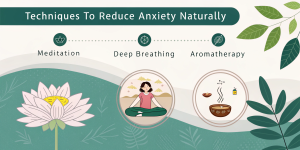
Deep Breathing Exercises
Practice diaphragmatic breathing: inhale 4 seconds, hold 4, exhale 6–8
Reduces heart rate and calms the nervous system
Mindfulness Meditation
Focus on the present moment without judgment
Reduces rumination and promotes emotional regulation
Physical Activity
Regular aerobic exercise releases endorphins and lowers cortisol
Examples: walking, cycling, yoga
Journaling & Cognitive Techniques
Identify anxiety triggers and reframe negative thoughts
Supports long-term emotional resilience
Sleep Optimization
Maintain 7–9 hours of quality sleep
Avoid caffeine and screens before bedtime
Embedded YouTube Video Idea:
“https://www.youtube.com/embed/1vx8iUvfyCY”
Common Mistakes & Fixes
Mistake 1 – Ignoring Small Daily Habits
Fix: Integrate breathing, exercise, and journaling consistently
Mistake 2 – Expecting Instant Results
Fix: Benefits accumulate gradually; track progress over weeks
Mistake 3 – Over-Reliance on Technology
Fix: Include offline practices like meditation, walks, or reading
Real-World Applications / Mini Case Studies
Students: Reduced exam anxiety with daily breathing exercises and mindfulness meditation
Corporate Employees: Evening journaling and walks decreased workplace stress
Remote Workers: Structured routines combining exercise and meditation improved focus and reduced anxiety
FAQ
Q: How long does it take to reduce anxiety naturally?
A: Typically 2–6 weeks with consistent practice of multiple techniques.
Q: Can meditation alone reduce anxiety?
A: Yes, but combining with exercise and lifestyle adjustments is more effective.
Q: Are these techniques safe for all ages?
A: Generally yes, though consult a doctor for children or individuals with medical conditions.
Q: Can journaling really help reduce anxiety?
A: Yes, it helps identify triggers, reframe thoughts, and release emotional tension.
Q: Is deep breathing effective during acute anxiety attacks?
A: Yes, it can help calm the nervous system and reduce immediate stress responses.
Q: Do I need special equipment for these techniques?
A: No, most techniques can be practiced anywhere with minimal resources.
Conclusion
Natural techniques to reduce anxiety provide safe, practical, and effective tools to manage stress and enhance mental wellness. By combining deep breathing, mindfulness, exercise, journaling, and quality sleep, individuals can build long-term resilience, improve emotional balance, and maintain focus in daily life. Consistency is key—integrate these practices into your routine and observe gradual but lasting benefits.
Internal & External Links
Internal:
Mindfulness Meditation for Stress Reduction: mental-wellness
External Authority References:
Harvard Health – Anxiety Management
NCBI – Anxiety and Lifestyle Research